Three arrows to learn the bow, one that counts
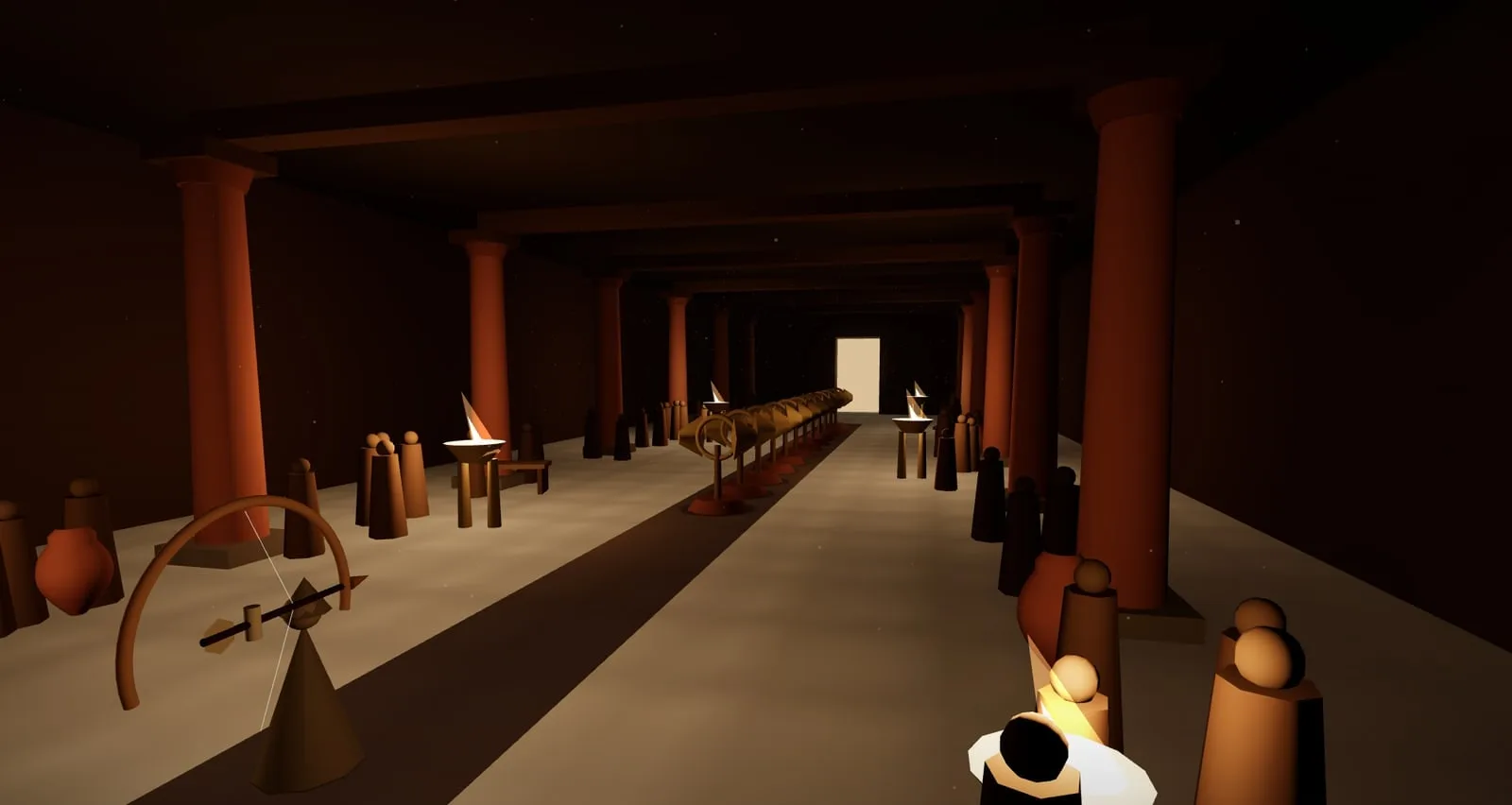
I designed this browser game of the archery contest in Book 21 of the Odyssey for someone who opens a link on a phone, holding a bow they have never used. Three practice arrows teach the bow and take its help away one at a time. The fourth is the only one that counts, and its score becomes a challenge to a friend.
Role Sole designerResult Live since 27 July 2026
ARROWS 1–4
The aiming line leaves one arrow at a time
The reticle points along a straight line, but the arrow falls: at full power it has dropped 0.43 m by 28 m out, about the radius of an axe hole. So while you draw, glowing dots trace the real flight, computed with the arrow’s own physics.
Each practice arrow shows less of that line, and the arrow that counts shows none. The reticle fades but stays, because on the last arrow it is the only thing saying where the bow points. Without it the shot would be blind, not hard.
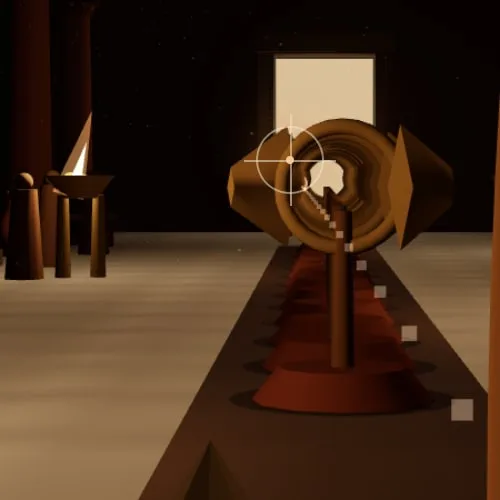
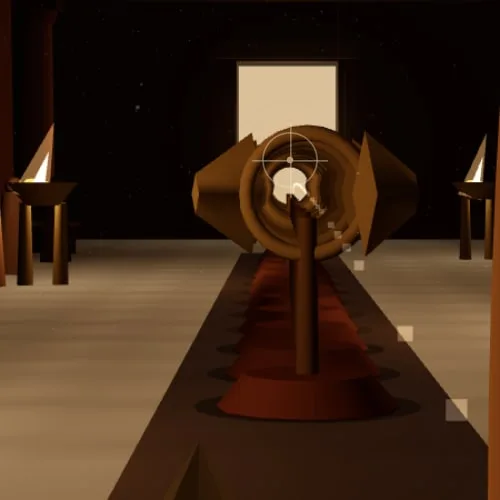
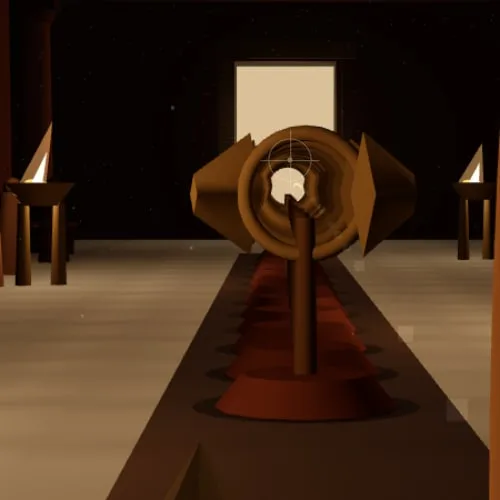
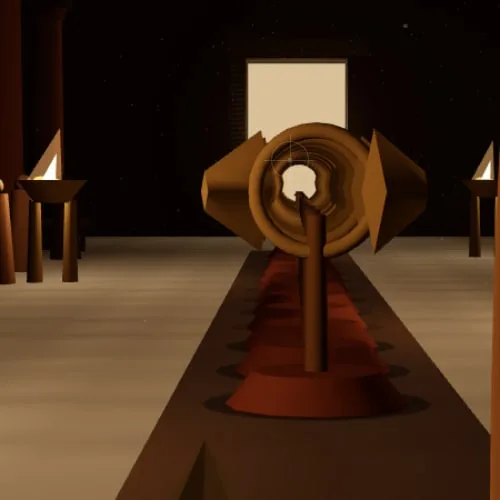
The live game at full draw, cropped to the first axe head.
Aiming and drawing were one gesture
In the first version one finger did both: how far you pulled set the power, and the direction set the aim. Playtesting showed the game punished effort. Tapping without aiming threaded 9 of the 12 axes; nudging the screen 10 px first dropped it to 4.
I split the two: drag the hall to aim, pull a pad to draw. The aiming speed now comes from the target; the old one crossed the whole scoring window in 12.5 px of finger travel, less than a thumb’s own jitter. On a touchscreen it now takes 90 px.
Drag each marker into the gold window
The whole window that threads all twelve axes.
The same window at the new aiming speed.
Actual size. The window is 0.0256 rad of aim; a mouse gets 64 px for it.
The bow came already aimed
At the right power, the bow’s starting aim threaded all twelve axes, so a player who never aimed scored a perfect 1,000. Now each run starts the bow at least 20 mrad off the line, an error no amount of power fixes, and adds a draught across the hall that pushes weak shots further than strong ones. The braziers lean and the dust drifts with it, so you can see the wind before the first arrow.
I measured these over 400 generated runs, with the starting offset at 20–30 mrad and wind at 1.4–3.0 m/s². Below 20 mrad, a helpful wind alone could carry an unaimed shot through all twelve.
A miss you can act on
When an arrow misses, the callout says at which axe and by how much, high or low, left or right. The game had always recorded this but used it only to pick your archer type.
It works as advice because nothing else moves between arrows: the aim stays where you left it, and so does the hall. I tried re-drawing the bow’s offset every arrow and dropped it; it broke the correction in 74% of runs.
The arrow that counts
No line, no second try, and four times the points: 40 an axe instead of 10, plus 160 for all twelve. On release the camera cuts to a spectator’s side view and follows the arrow through the axes in slow motion; then the score counts up, axe by axe, onto a challenge card.
The recording is silent. In the game, original music changes with the entrance, the draw, the slow motion, the tally and the result.
Four of the eight archers were out of reach
After the final arrow the game names your style. I checked the scoring and found that four of the eight archers could never be awarded. One cause was a unit mistake: speed measured per millisecond was judged against limits set per second, so every player read as perfectly steady. Every run got 45 free points, and the axis it fed never fell below 65.
Now the score leaves out anything a run couldn’t show; standing still says nothing about a steady hand. The archer used to come from three hard cuts at 50. Now it is the nearest of eight centres, so a small wobble no longer swaps the name on a result people share. My tests play 13 synthetic styles and fail unless all eight archers appear.
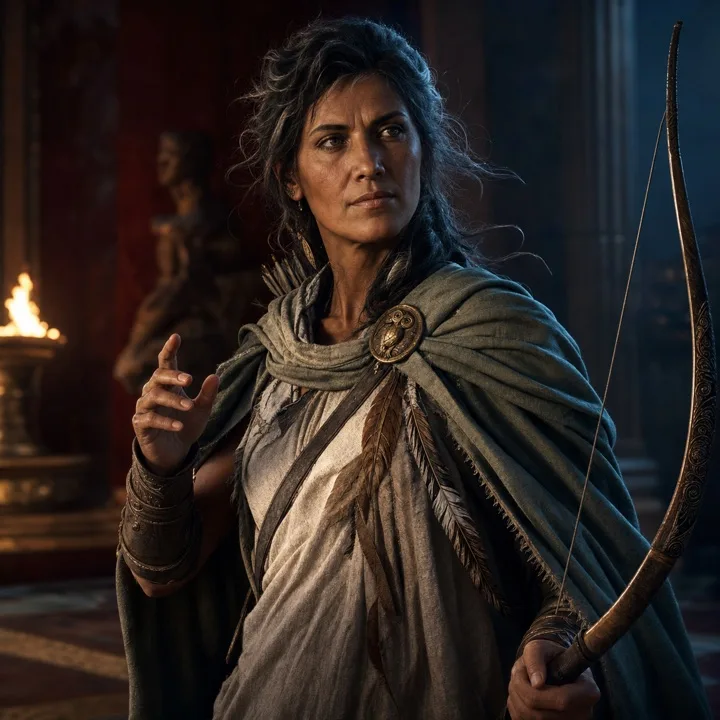 Wind-Reader
You observe first, then let the arrow follow the surest line.
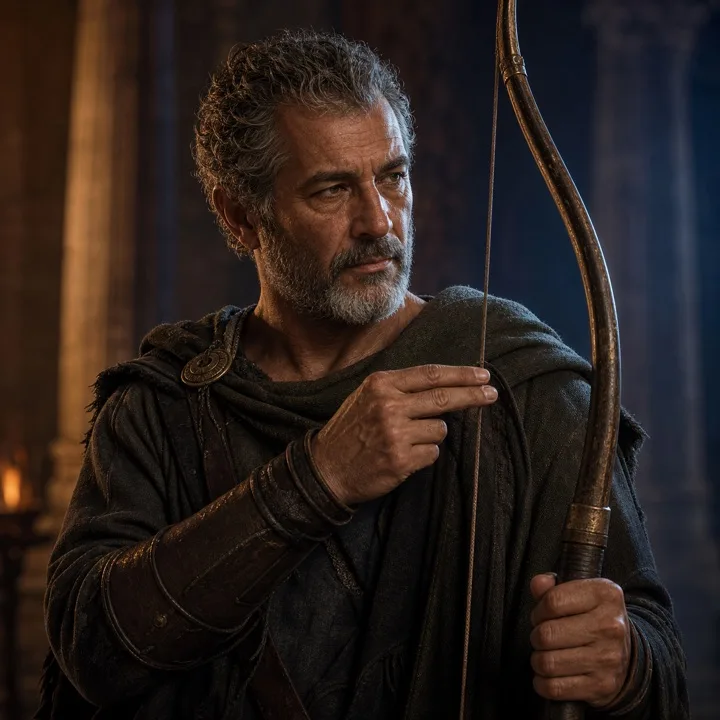 Keeper of the String
You find one dependable line and hold it from the first arrow to the last.
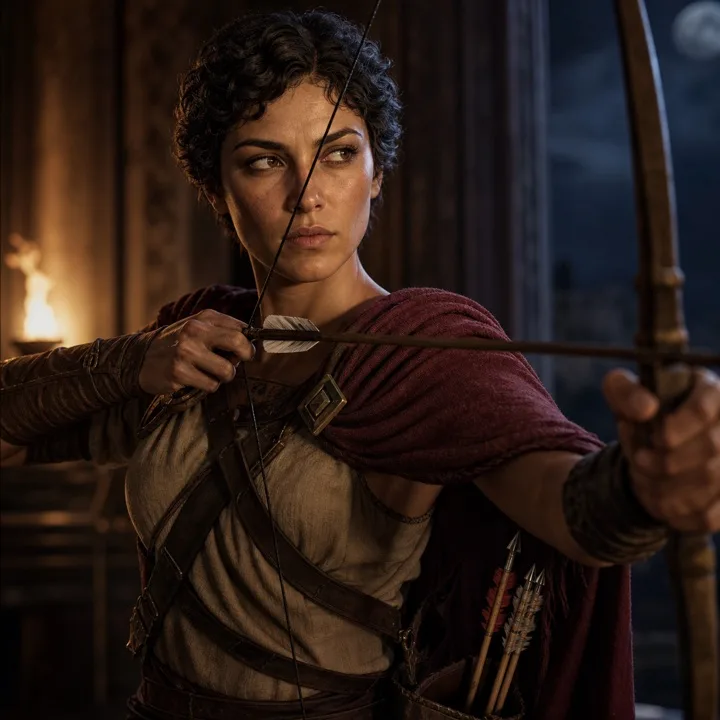 Adaptive Tactician
You read the line, then change it the instant the hall shifts.
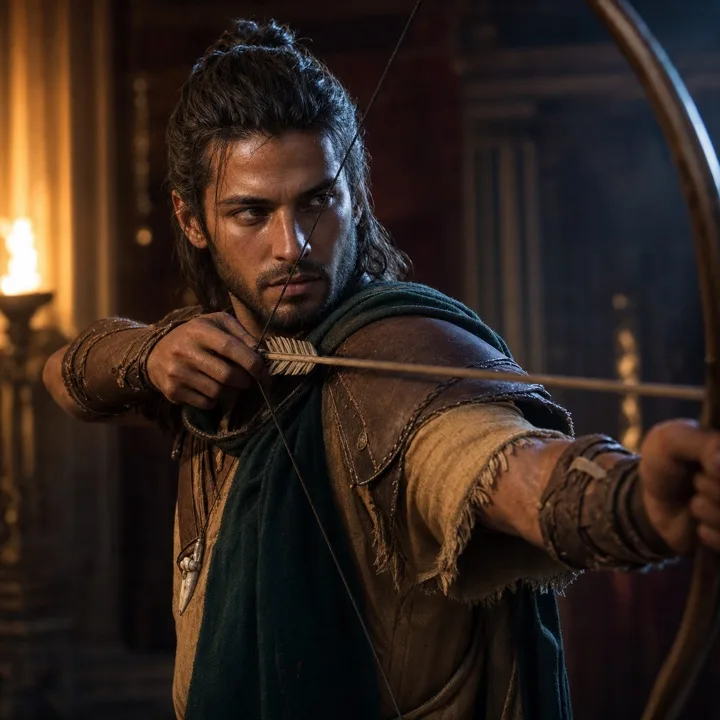 Hunter of Ithaca
Once the mark is clear, you loose without wasting a movement.
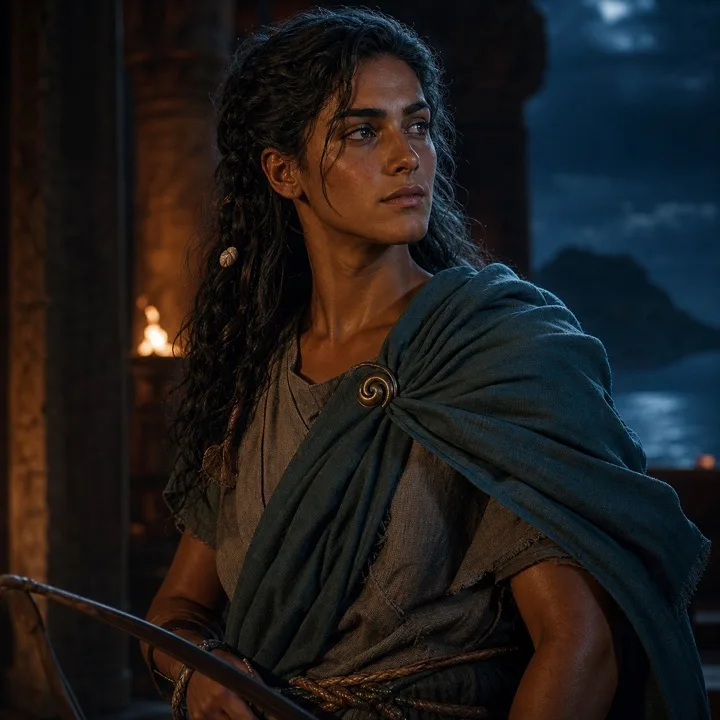 Wave-Listener
You sense the change by instinct and answer it with the next arrow.
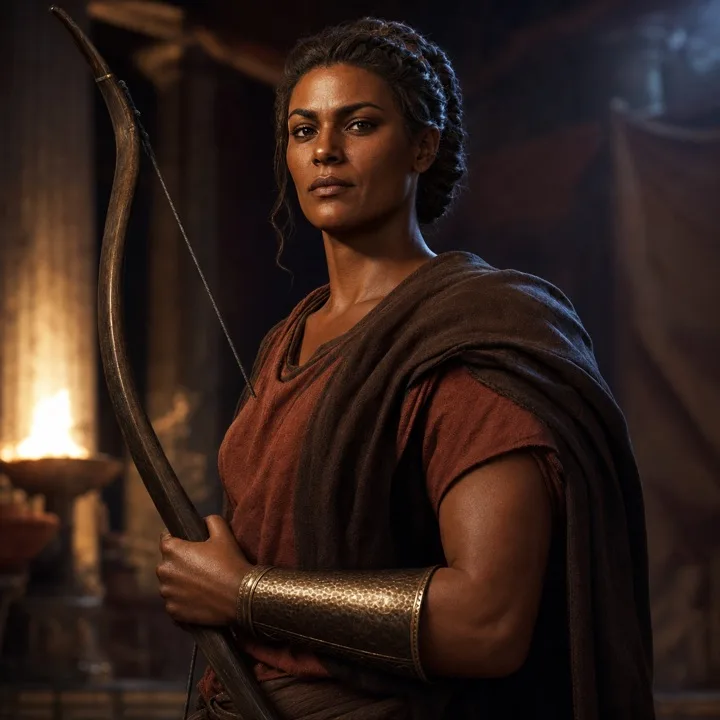 Steady Bow
Your movement is direct and steady; the bow has become instinct in your hands.
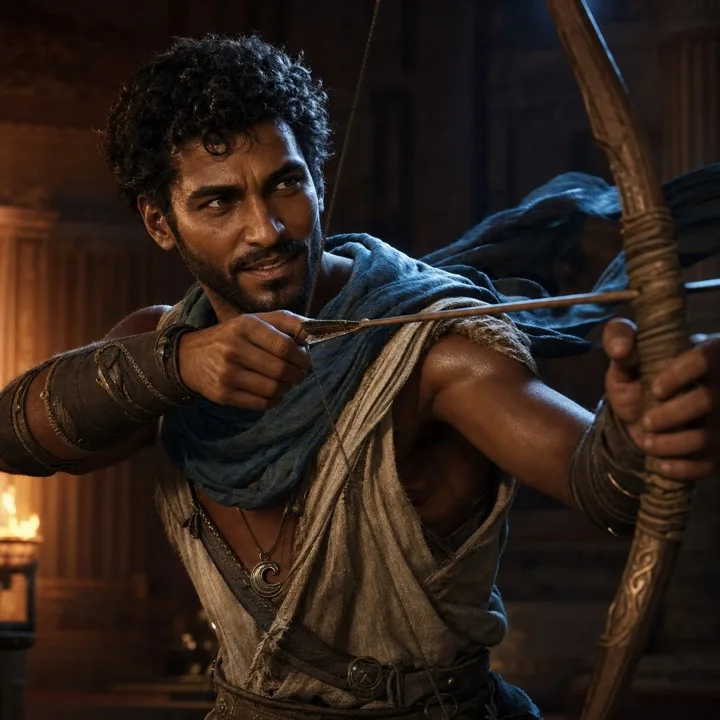 Wave-Breaker
You change direction in motion. Quick correction is your advantage.
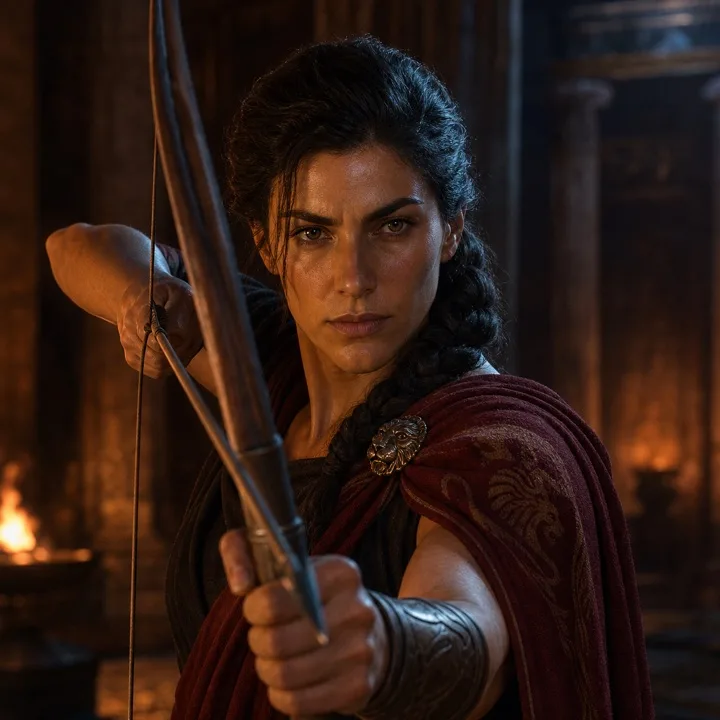 Fearless Archer
Once you choose the mark, you send the arrow straight to its center.
From the game’s English edition.
Sharing inside LINE and Instagram
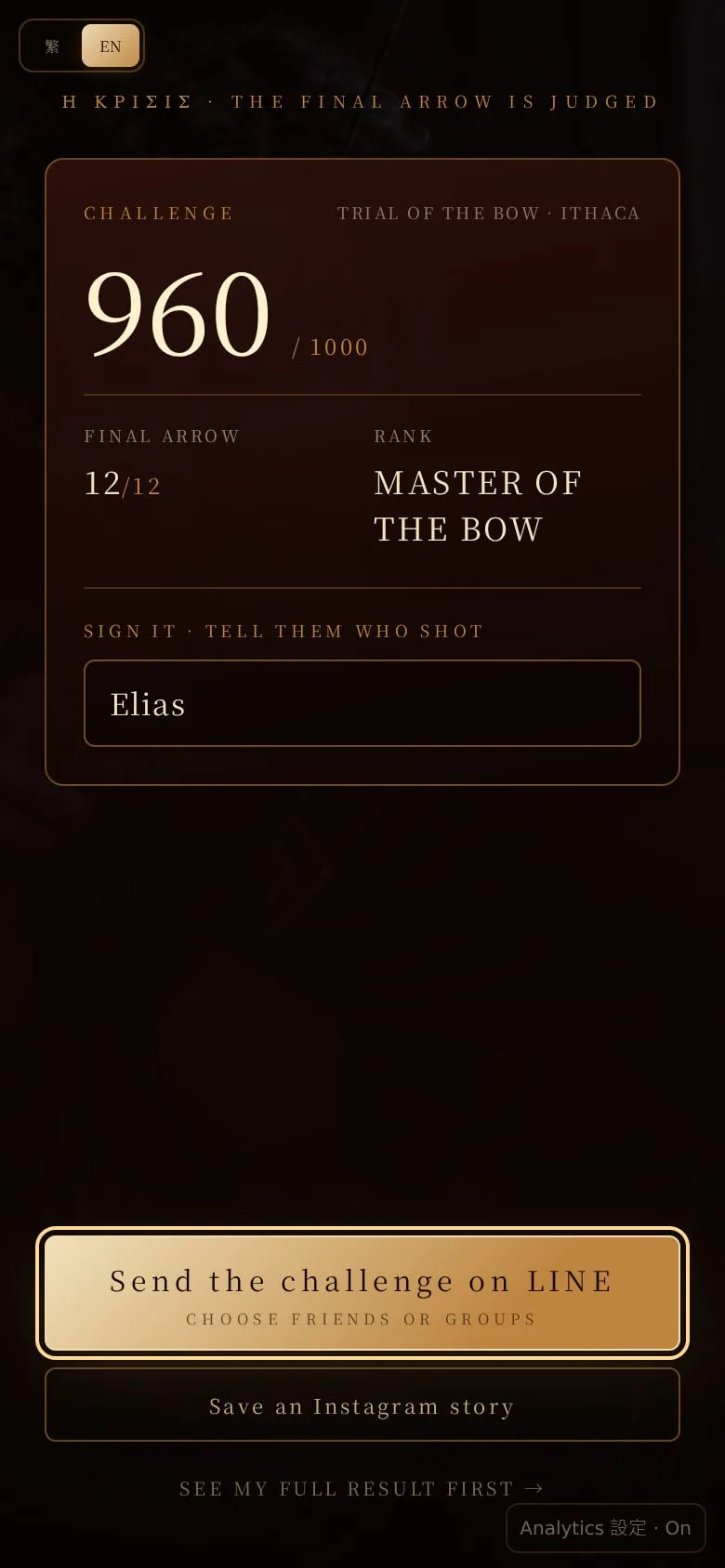
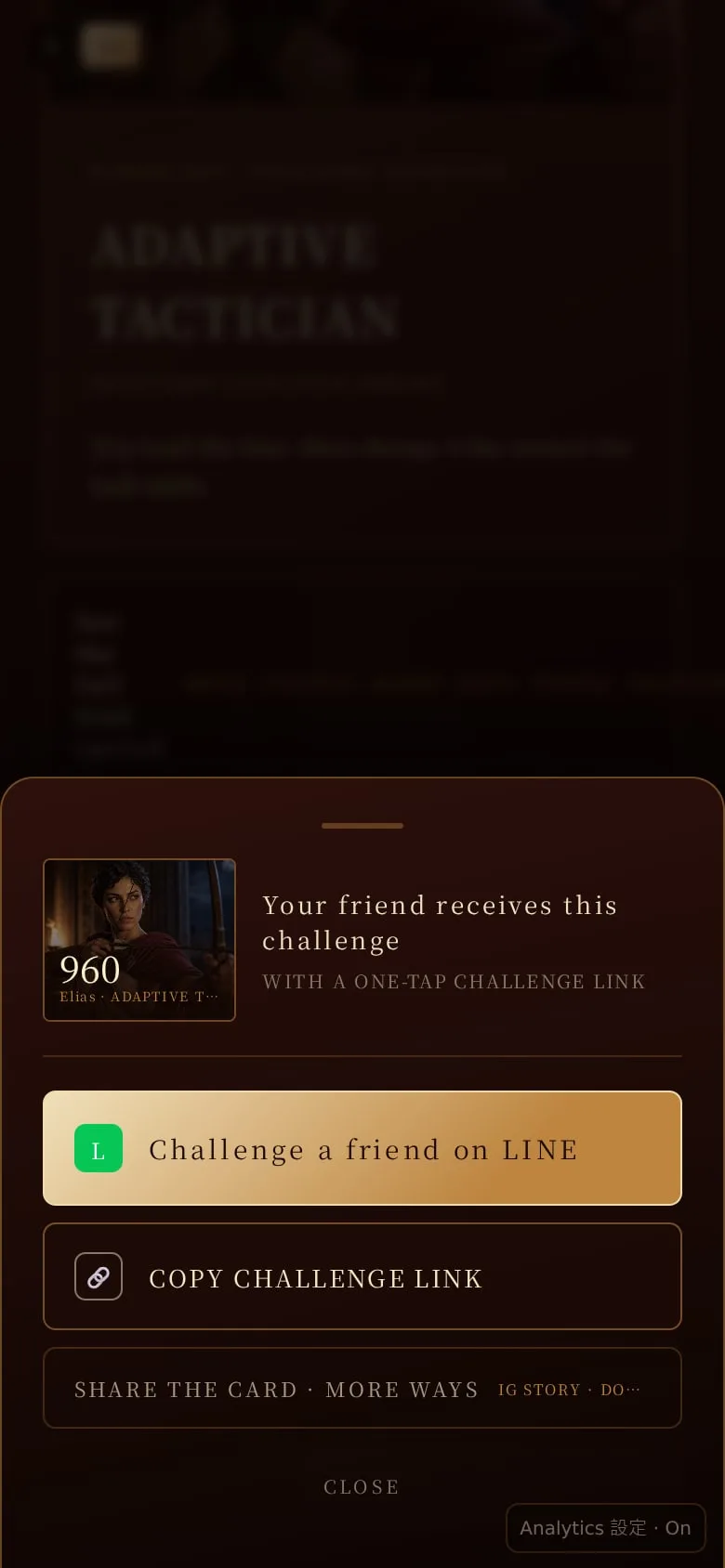
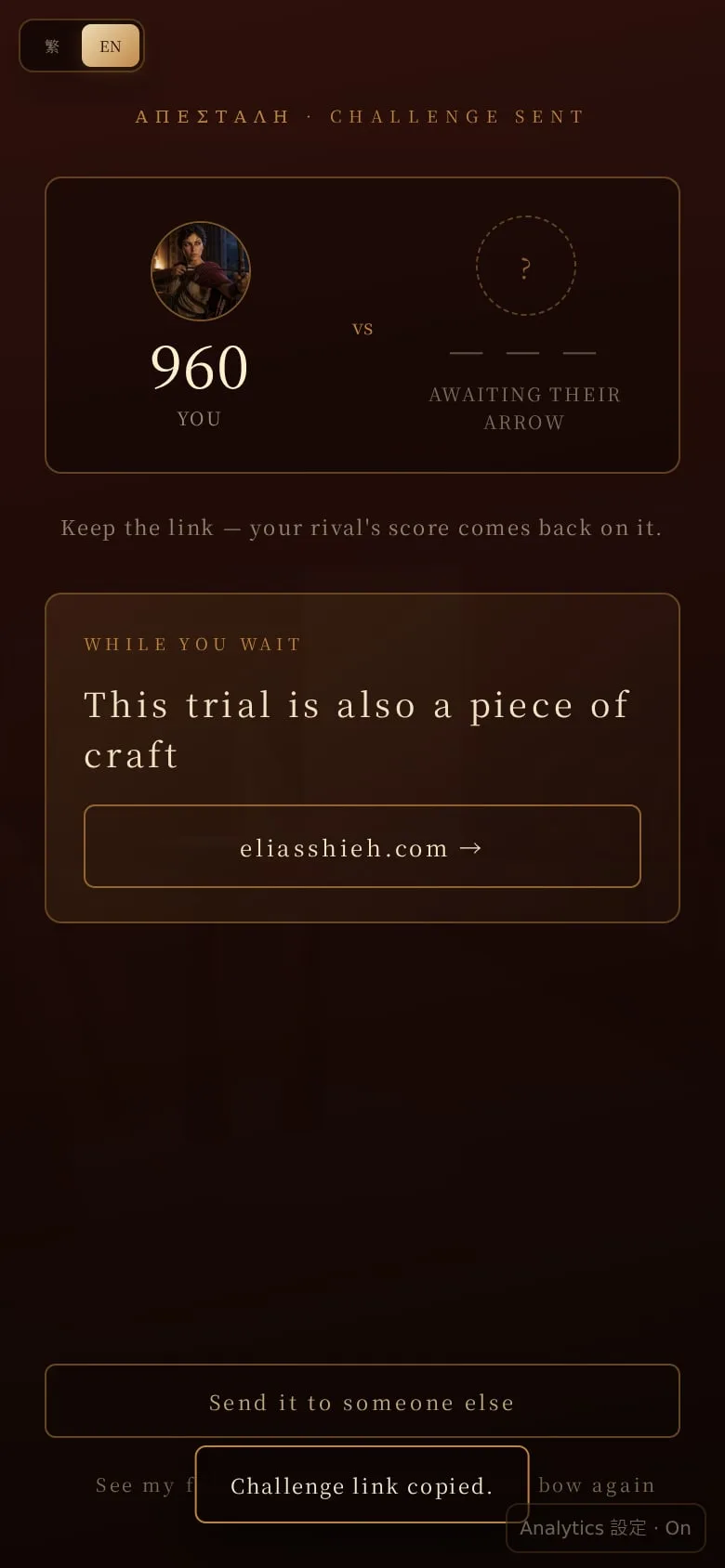
Players pass the game around in LINE and Instagram, and sharing broke in both: their in-app browsers can’t open the blob: link the download relied on. Now those browsers show the card full-screen with “press and hold to save”, LINE links open in the phone’s own browser, and cards are drawn during the tally, which cut the link card from a 1.4 MB download plus a multi-megabyte PNG to 71 KB.
The counter showed that LINE and copy-link carried every real handoff, so the share sheet leads with those two. I also made sharing a challenge: you sign the card, and after you send it, your rival’s side stays blank.
LIVE PRODUCT SIGNALS
How many people took the shot
The game counts its own visitors anonymously, and this page reads the totals live.
Collecting enough evidence to publish stable conversion rates.
- CONTEXT
- Side project while learning game design. Made in two days, while Christopher Nolan’s The Odyssey was in cinemas.
- STACK
- three.js · Cloudflare Workers · D1 · Web Audio · built with AI coding agents
Take the fourth shot yourself.
Best on a phone. These links open the English edition; you can switch to Traditional Chinese inside the game. They tell its anonymous counter only that you came from this page.