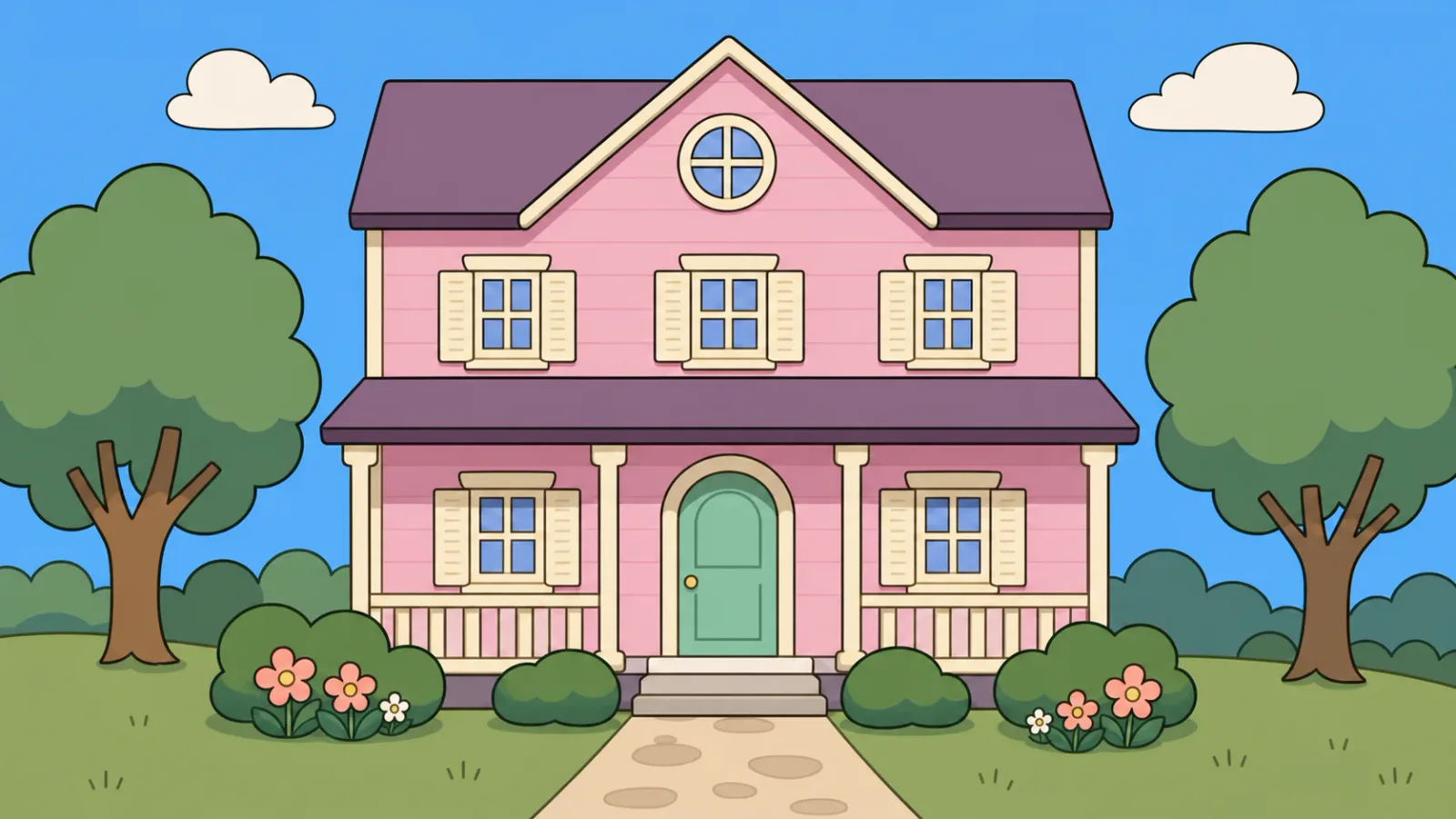
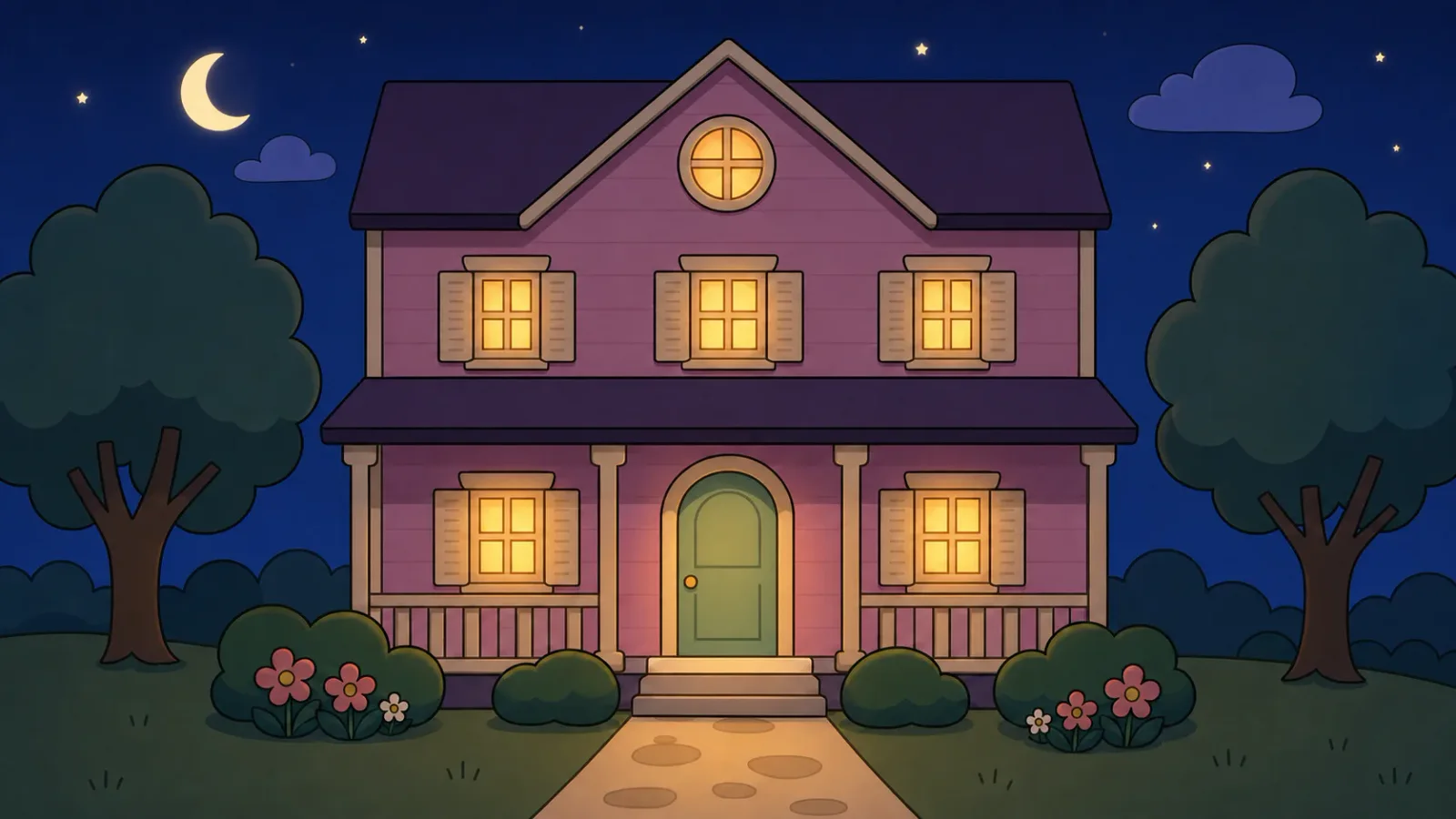
LITTLE HOUSE DIARY · INDEPENDENT CREATOR PORTFOLIO · 2026
WORK № 01
A portfolio where rooms replace categories
I designed and built a bilingual, CMS-backed portfolio that turns four kinds of work into explorable rooms—and lets a non-technical owner publish without a developer.
- DATE
- JUL 2026
- CONTEXT
- Personal project · 3-day design & build · Direct collaboration with the creator and owner
- ROLE
- Product definition · Information architecture · Interaction design · Visual direction · Frontend development · CMS integration
- STACK
- Next.js · Sanity · Vercel
THE 45-SECOND READ
The creator wanted an intimate digital home for video, writing, visual art and photography—not another portfolio grid. It still had to be easy to navigate and maintain without a developer.
DECISIONTurn the content taxonomy into nine rooms, then pair spatial navigation with a whole-house map, room-to-room movement and deep links.
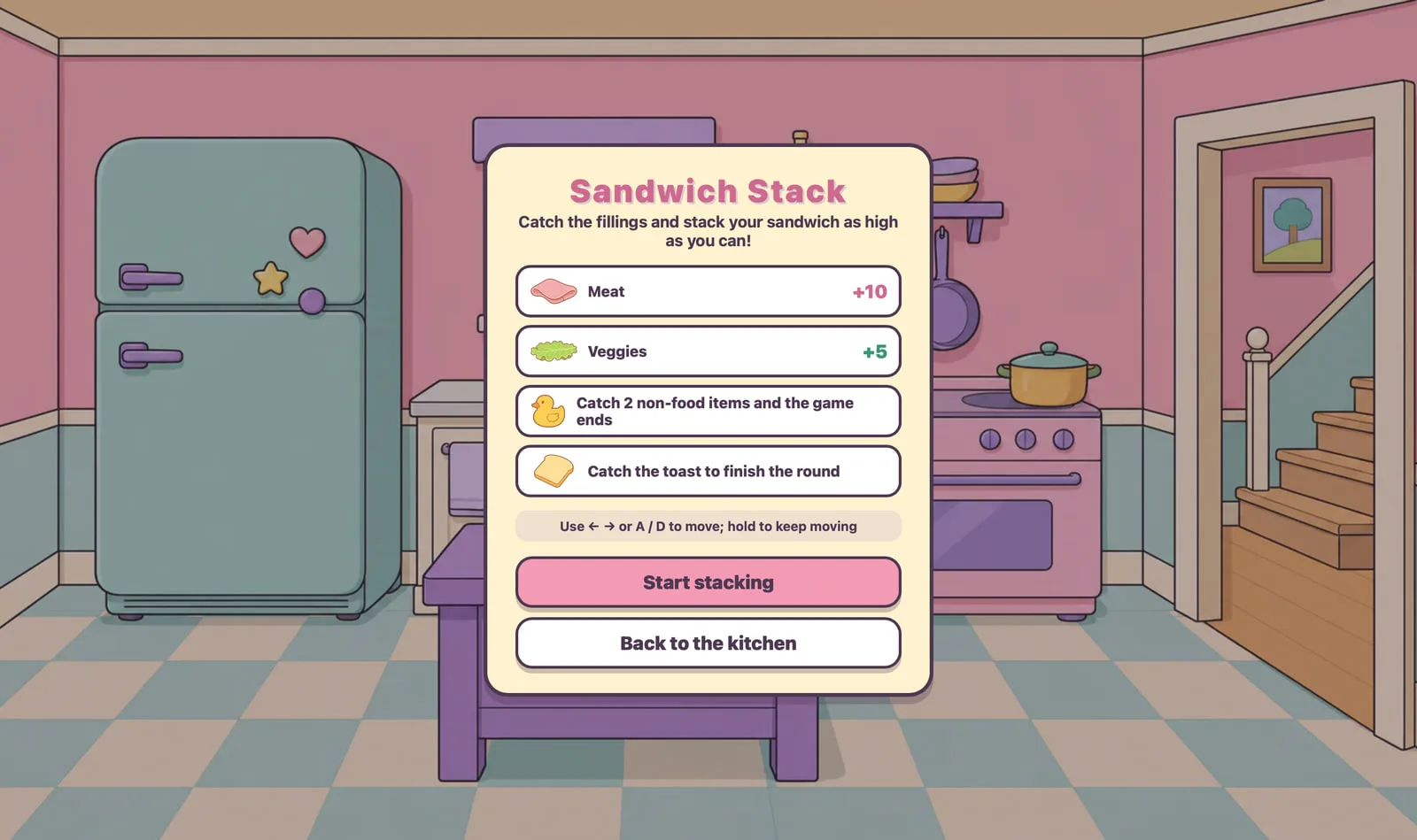
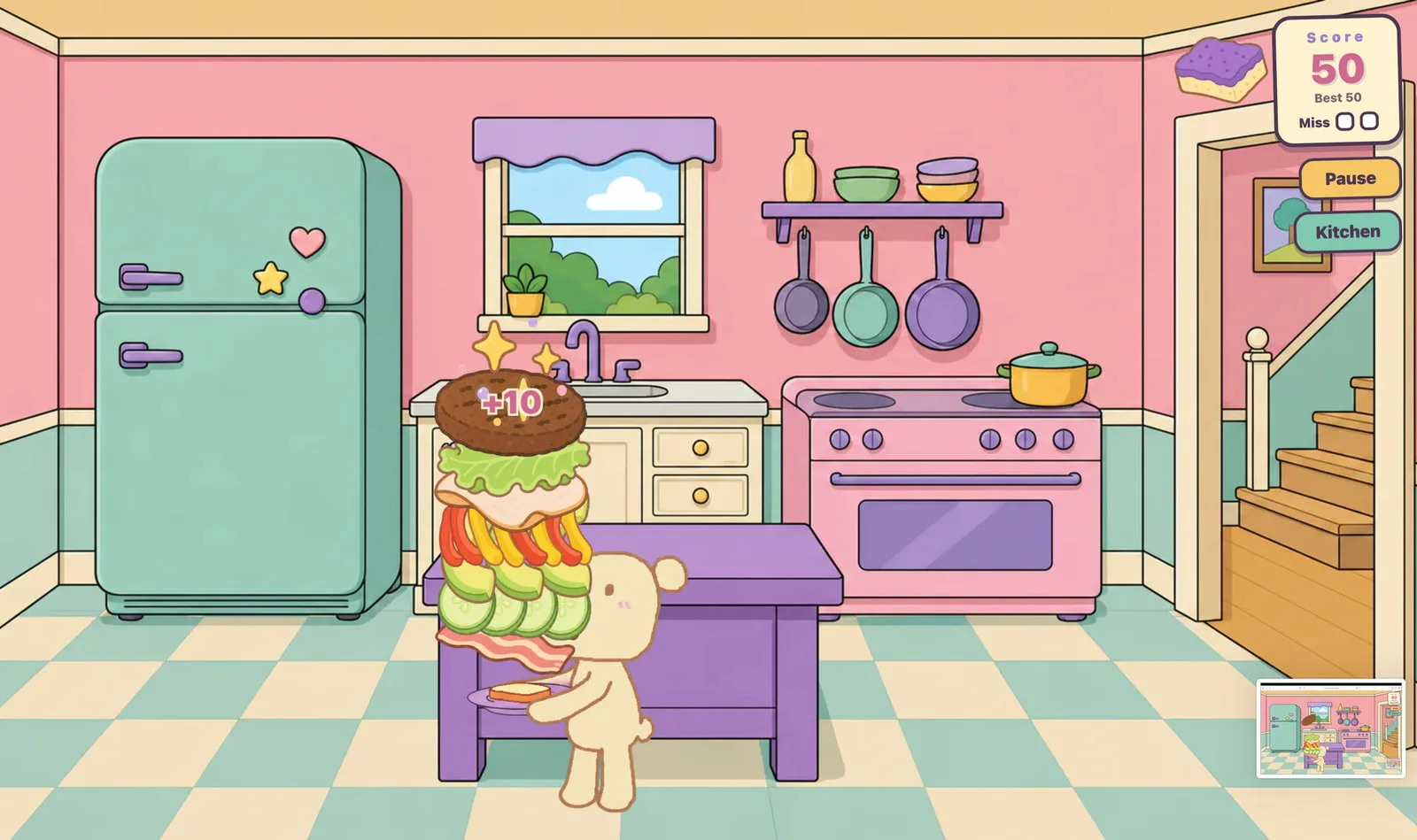
PRODUCTA bilingual portfolio with owner-managed publishing in Sanity and optional day/night states, ambient sound, small interactions and a kitchen mini-game.
STATUSLive on Vercel and maintained by the owner.
THE PRACTICE / 01
Rooms are the information architecture
Four content types became four destinations: video in the living room, writing in the bedroom, photography in the back garden, and visual art in the attic studio. The remaining rooms support movement and discovery rather than another category. The floor plan is both the content taxonomy and the site map.
CONTENT → ROOM MAPPING
- VIDEO
- LIVING ROOM
- WRITING
- BEDROOM
- PHOTOGRAPHY
- BACK GARDEN
- VISUAL ART
- ATTIC STUDIO
THE PRACTICE / 02
The owner updates the site without a developer
New work is added by the owner, not by me. She signs into Sanity, fills a form — title, media, category — and the piece appears in the right room. No code, no rebuild, no deploy on my side. This is how the site runs today.
The design job wasn’t only the illustration — it was making the editing model plain enough that a non-technical owner keeps a bespoke, illustrated site alive on her own.
SYSTEM NOTE
From category to room
- 01Sanity category
The owner selects Video, Writing, Photography or Visual Art.
- 02Next.js content query
The front end requests content assigned to that category.
- 03Corresponding room
The published piece appears in its assigned room without developer action.
THE PRACTICE / 03
Navigation happens from inside the house
The portfolio is experienced from a viewpoint inside each room. Visitors move by clicking doorways, stairs and objects, so crossing the house—not choosing from a conventional menu—is the primary navigation. The room-to-room sequence makes the site feel like a place to enter and explore rather than a set of pages.
THE PRACTICE / 04
A home visitors could stay in, not just scroll through
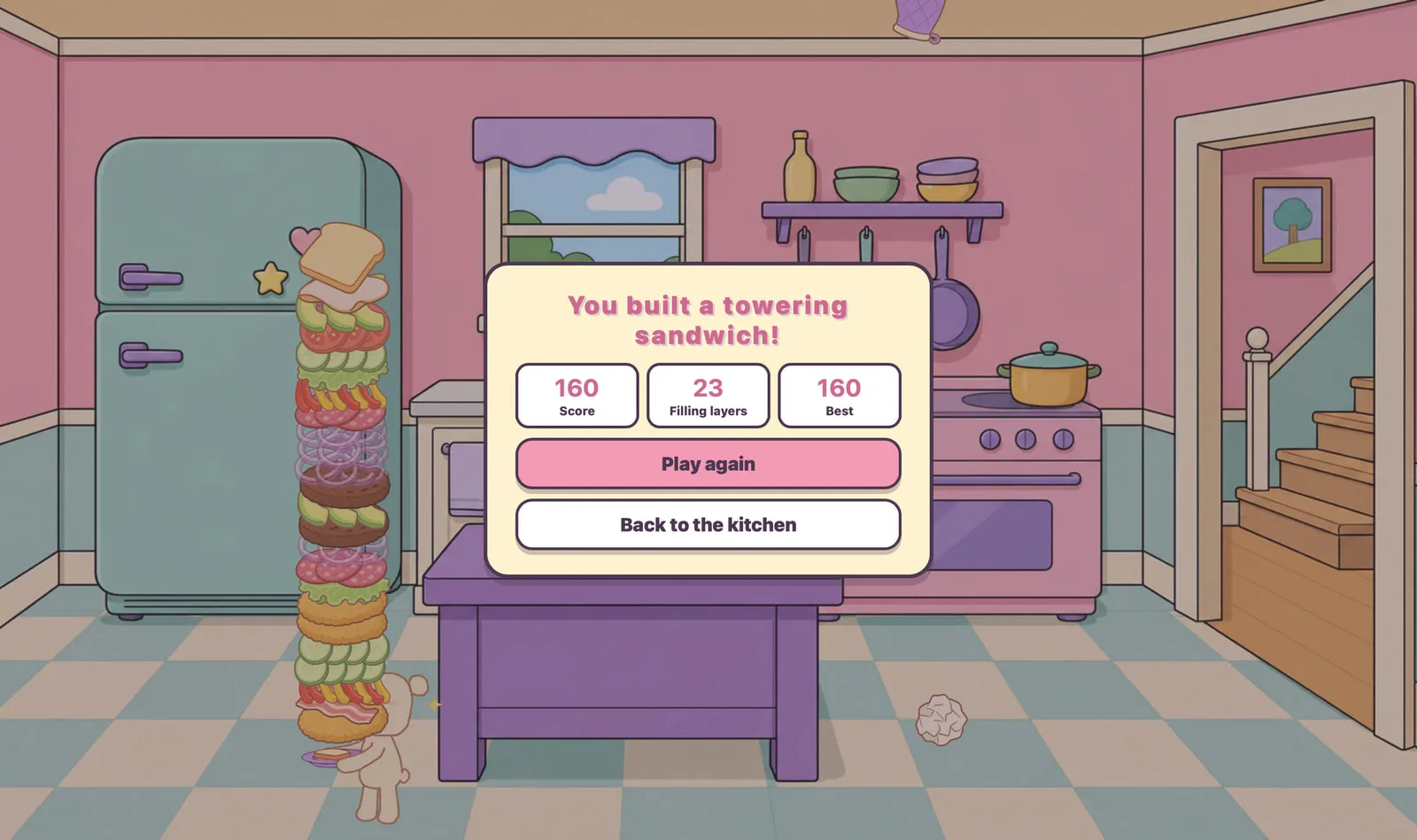
The creator wanted the intimacy of early personal blogs: a digital home that felt inhabited and rewarded curiosity. Day/night states, ambient sound, small object reactions and the kitchen game are optional layers of that idea. The game turns the kitchen into an activity rather than only a container for content; visitors can always return directly to the room.
READING NOTE / VISIT
Walk through it yourself.
The creator’s live portfolio opens in Traditional Chinese, with an English version at /en. Deep links open specific rooms.